
Trauma and Injuries
What is orthopaedic trauma?
Orthopaedic trauma occurs due to damage to soft tissue and bones. For example, a sudden external force such as a motor vehicle accident, fall or sports injury can injure the muscular or skeletal system. An orthopaedic injury can be traumatic and life-changing because it affects your daily life, which means you cannot enjoy certain aspects of life that were once the norm. Therefore, it is critical to seek medical attention immediately in the event of this to regain control over your life.
Overuse or repetitive stress can also lead to a traumatic injury. Trauma occurs as a result of strain and overuse, which include running long distances that can lead to small hairline fractures in the lower limb (tibial stress fractures). Broken bones (fractures) may arise due to a disease such as osteoporosis, cancer of the bone or osteogenesis imperfecta, also referred to as a pathologic fracture.
Orthopaedic trauma refers to a broad range of injuries, such as uncomplicated hairline fractures and severe injuries that penetrate the bones and soft tissue. An orthopaedic surgeon specialises in this area and is capable of restoring function to the damaged part of the body.
How do you perform orthopaedic surgery in the event of a traumatic injury?
An orthopaedic trauma surgeon works in private and public sectors to perform surgeries in an emergency. In an ER setting, Dr Rose will stabilise fractures, heal broken bones, reconstruct ligaments, repair torn tendons and manage trauma to joints and muscles.
Post-operative non-surgical treatments include rest, bracing and physical therapy after surgery. These forms of rehabilitation will help stabilise the operative area even more. Subspecialties of orthopaedic surgery involve reconstruction surgery, joint replacement, repair of vertebral bones in the spine, hand and foot surgery, shoulder surgery and orthopaedic oncology.
The surgery Dr Rose decides to perform depends on the patient's diagnosis, but he will do his best to stabilise the patient's condition in the event of an emergency. In this particular situation, he will minimise bleeding, stabilise the area and ensure the patient is responsive to treatment.
FAQ
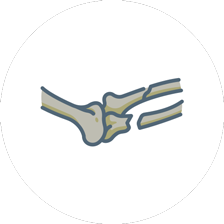
Orthopaedic trauma refers to damage to the musculoskeletal system and soft tissues such as tendons, ligaments and muscles.
For example, Dr Rose treats the following:
- Closed and open fractures
- Dislocations
- Hairline cracks
- Injuries as a result of overuse or repetitive stress
Microvascular surgery consists of procedures to repair damage to the nerves and the use of muscle grafts. A microscope and surgical tools are used to restore blood flow to the affected region by reconnecting tiny blood vessels.
Firstly, he discontinues the bleeding by applying pressure to the injured site. Next, he immobilises the region and treats swelling. Afterwards, he treats the patient for shock. Finally, the bones are put back in place if the fracture is displaced. In the case of a non-displaced fracture, the bones are immobilised and given time to unify into one piece.